
play

Uncategorised

I just had to share!

“I thought you’d like to hear this story” is always an intriguing start to an email.

We LOVE hearing your anecdotes and this is such a lovely one. Jill Henderson, at Craigmarloch School in Inverclyde, Scotland, sent us this wonderful story from her lessons and kindly let us share it with you all. Both Jill and Criagmarloch have been using Figurenotes for a long time now and their work is fantastic.

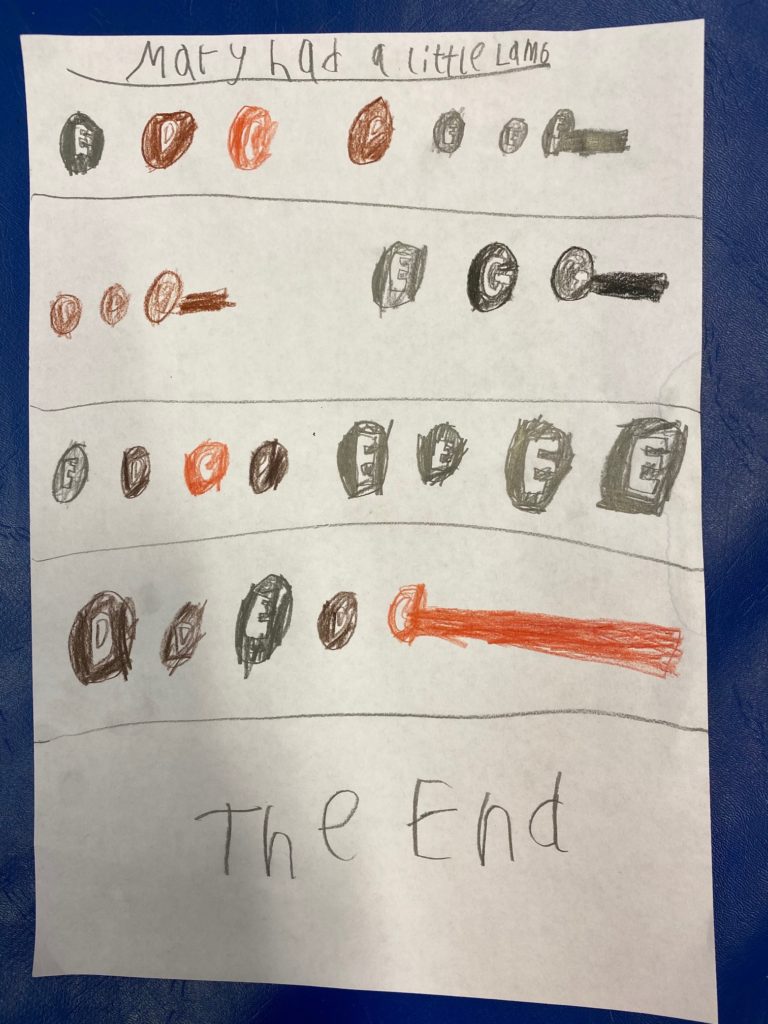
“During Lockdown I am working at the Craigmarloch Hub with a group of P5 children. One wee boy is very musical and has really taken to Figurenotes. He has got perfect pitch and can sing familiar songs (his favourite is Mary Had a Little Lamb) by colour and letter name. We always begin the day playing tunes on the glockenspiel.

Yesterday, I brought a selection of ‘name that tune’ for him to try, in second stage Figurenotes.  Within 5 mins he had played and identified them all then asked me why Mary had a little lamb was not there.  I said I’d write it for him for next week then got on with the morning routine.  

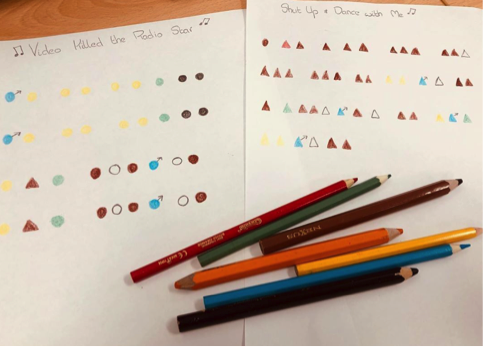
Next thing I knew, he had written out the song himself (first stage Fgn)!  As you can see, the note names, colours and even note lengths are accurate.  I had not explicitly taught this, he had clearly absorbed the knowledge by himself.

This is why Figurenotes is so great – it is clear and makes sense to beginners and those like this pupil, who are bright but like to learn in ways that are accessible and appealing. Figurenotes helps him do what he wants to do, which is play and sing music! Much of the time he refuses to engage in learning and shuts himself away in a quiet room to pursue his own interests, often to draw. 

I just had to share that with someone who would understand and appreciate how wonderful this is.”

Thank you for brightening our day, Jill. We’ve shared it in the hope that it brightens all of yours too.
Do you have similar stories? We would love to hear from you! Drop us an email at figurenotes@drakemusicscitland.org or join our Facebook group Figurenotes – Let’s Make Music!
Guest Blogs

Teaching Figurenotes Online part 1 – F Sharp Music Practice

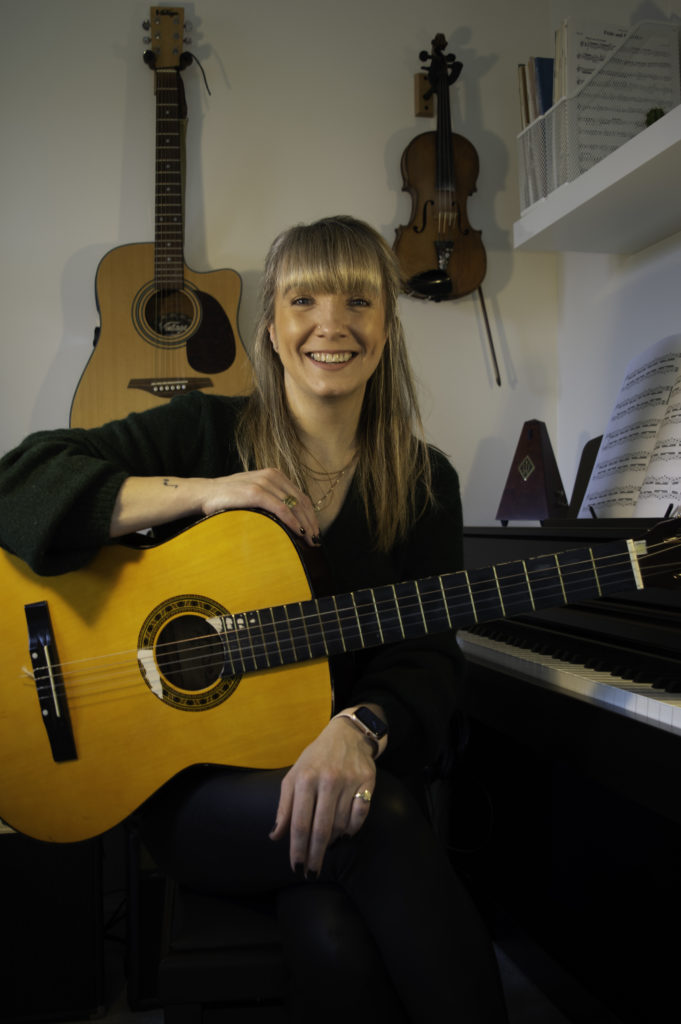
Fiona Sharp of F Sharp Music Practice has had great success with her online music sessions during 2020 and into the new year. As many musicians worried about their future work opportunities, Fiona has continued to provide high quality sessions for many organisations including PAMIS and Drake Music Scotland. She has also delivered training sessions on how to get the most from online delivery, including advising on a new online project for schools with the RSNO. Here she gives us a brief insight into her practice.

Fiona Sharp of F Sharp Music Practice (above)

I was concerned like many music teachers, practitioners and specialists at the start of lockdown how music tuition could be achieved solely on an online basis, especially when working with pupils who have Additional Support Needs. Over the past few months I have been astounded at the level of development made with many of my clients and pupils and in particular their progress with Figurenotes.

I have tried various ways of using Figurenotes online and I have detailed below the activities and methods I have found to work particularly well.

Something I have found to work well when using Figurenotes online for teaching is emailing sheets of Figurenotes notes for the pupils to print and cut out so they are able to make up their own songs, unless the pupils already have their own Figurenotes magnets. I usually start my online sessions asking the pupil to choose 10-15 cut out notes, either showing me the note or telling me what colour and shape it is. They can either lay the notes out in front of them, or as I tend to do, I put the Figurenotes magnets on a board, which I then hold up to the screen for them to see.

To vary the exercises I sometimes change the shapes they have chosen and get them to play the squares with their left hand, and the circles and triangles with their right hand. I also do chord work using the magnets/cut outs as well as exercises focusing on hands separately and hands together.

Themes can be fun to make the sessions a bit more interesting, for example themes about the sea, weather and emotions are popular ones, then finding songs or making up musical activities to go along with that theme.

The sea is always a good theme. You can get pupils to put lentils or rice in a plastic tub with a lid and slowly rock it from side to side so it sounds like the waves. Try the ocean drum tutorial in the video below. You can make up a short sea shanty using the Figurenotes magnets or cuts outs, and there are plenty of sea-themed songs which you can play using Figurenotes:

  • My Bonnie Lies Over the Ocean
  • Bobby Shaftoe
  • Row Your Boat
  • Skye Boat Song

Overall, my experience so far working online has been positive. I have noticed I am having to describe and communicate a lot more than I would normally in a music session, but I have been very surprised by the level of development my pupils have had since teaching online. I have come to the conclusion that it could be due to fewer distractions. For pupils on the Autistic Spectrum this has been particularly evident, and I have been quite amazed at the level of concentration and engagement they have during their session. I feel many of my pupils have achieved a lot more in a half hour session than they would normally with me sitting next to them. I have also noticed they have to work things out for themselves more than normal as I am not there to physically support them or show them what to do. I have been very impressed and pleasantly surprised by the level of development made with each pupil through online music sessions.

Guest Blogs

Emmeline McCracken – ELM Music Therapy

In our latest guest blog, Emmeline McCracken shows us how she uses Figurenotes in her work as a music therapist.

Hello everyone,

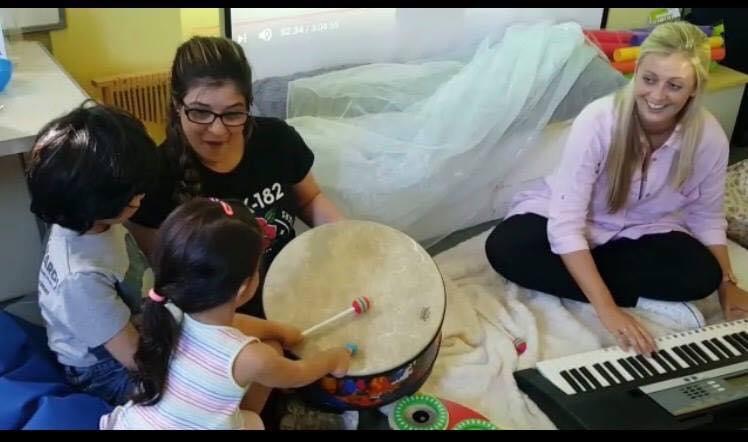
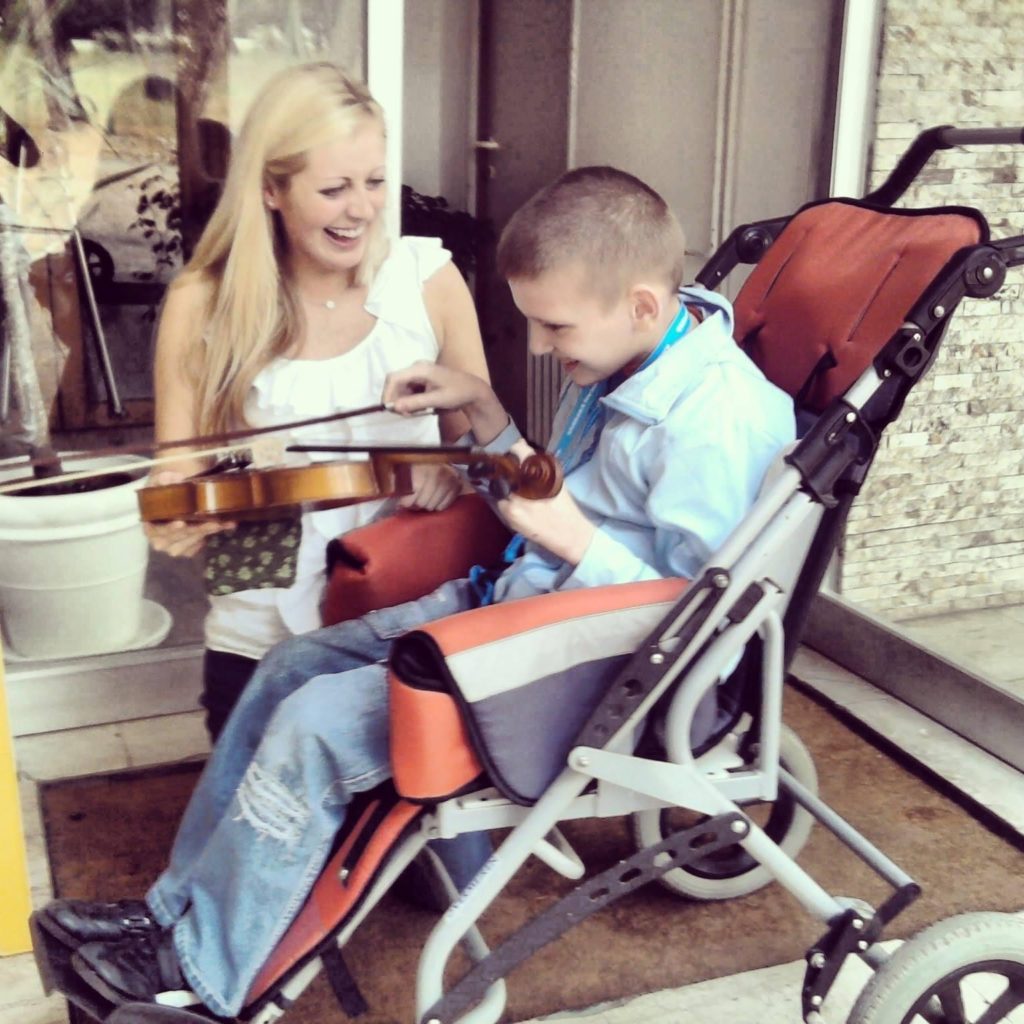
My name is Emmeline and I am a music therapist. I work for my own company, ELM Music Therapy, primarily with children who have profound and multiple learning difficulties and those with terminal illnesses.

Although music therapy is very different from teaching someone to play an instrument, this can sometimes play a part in my therapeutic sessions. Often children will be keen to learn to play the piano with me as this is the instrument I use most frequently. Sometimes through learning some tunes together this can give a client confidence and also relax them into more therapeutic work. Often learning something can seem less daunting than the therapeutic process itself and can open many doors for the therapeutic work to take place. A few examples of this may be;

  • Composing our own words to a learnt song.
  • Moving into free improvisation.
  • Relaxing a child enough for them to open up or share emotions.

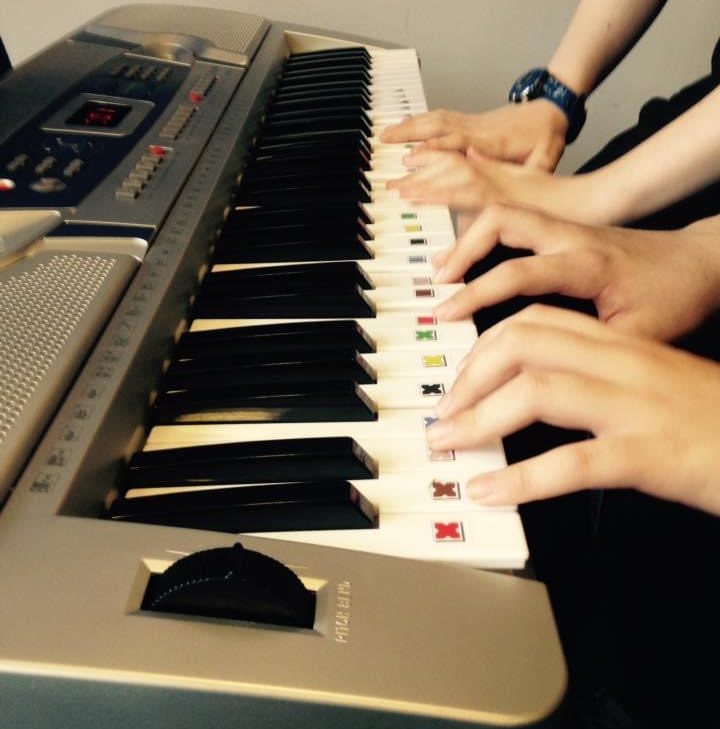
As I work primarily with children with profound and multiple learning disabilities the use of Figurenotes has been invaluable in this teaching process. It has really allowed the children to quickly learn to play simple/familiar songs at the piano and allowed us to progress into other therapeutic processes. The matching of colours and symbols seems to be particularly appealing to many of the pupils on the autistic spectrum with whom I work and is quick and easy for them to grasp.

In my other work at the Royal Aberdeen Children’s hospital the quick and easy to grasp concept to allow children to learn and play tunes has been lifechanging. My work here is often not progressive as there can be children I only meet once on the ward and others who are long-term patients. It is wonderful to see not only the children’s but also their family’s faces light up around them as they perform songs they have learnt that day through the use of figure notes at a time when often the rest of their lives are unpredictable and out of control.

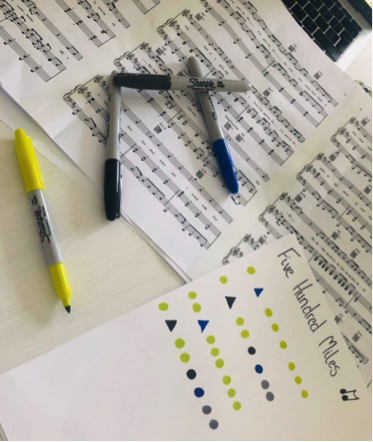
Here are some examples of children’s favourite songs that we have quickly written out in figurenotes.

Although I do not use Figurenotes in the same way as many others I find it very beneficial to my work and I hope that other music therapists will too!

“Figurenotes, Figurenotes, play what you see!”

Thanks to Emmeline for sharing her experiences. If you are interested in writing a guest blog, please get in touch with the Figurenotes team to share your ideas.

Uncategorised

Updated Sticker Design

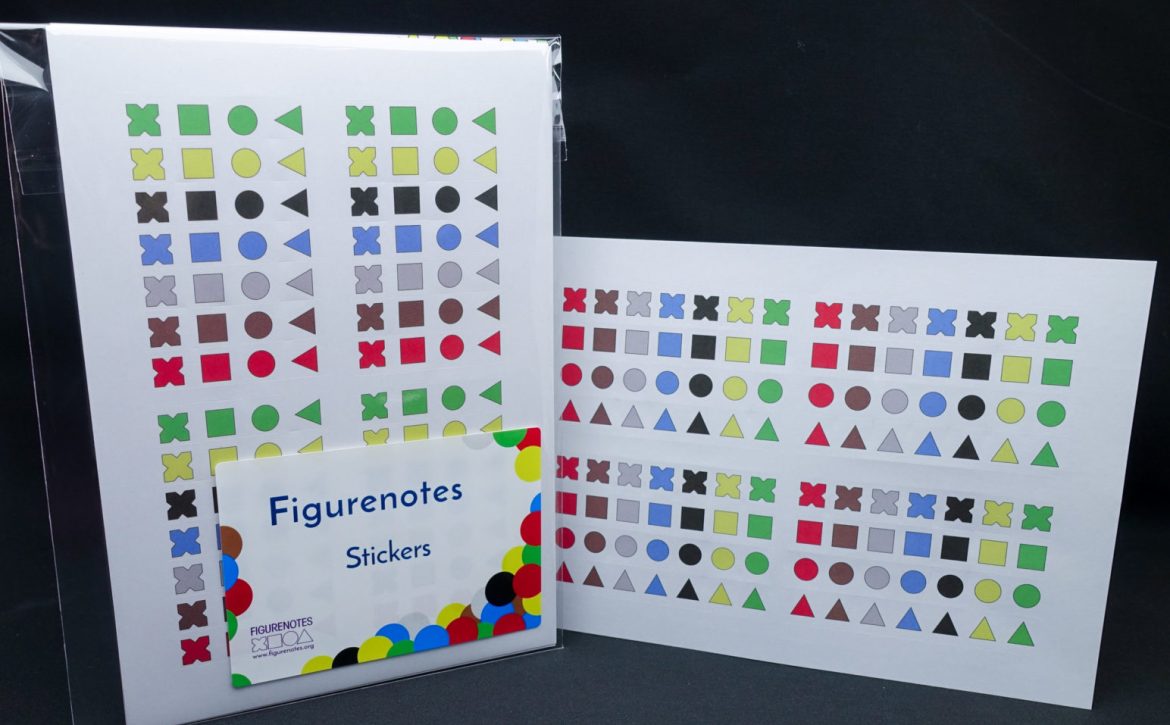
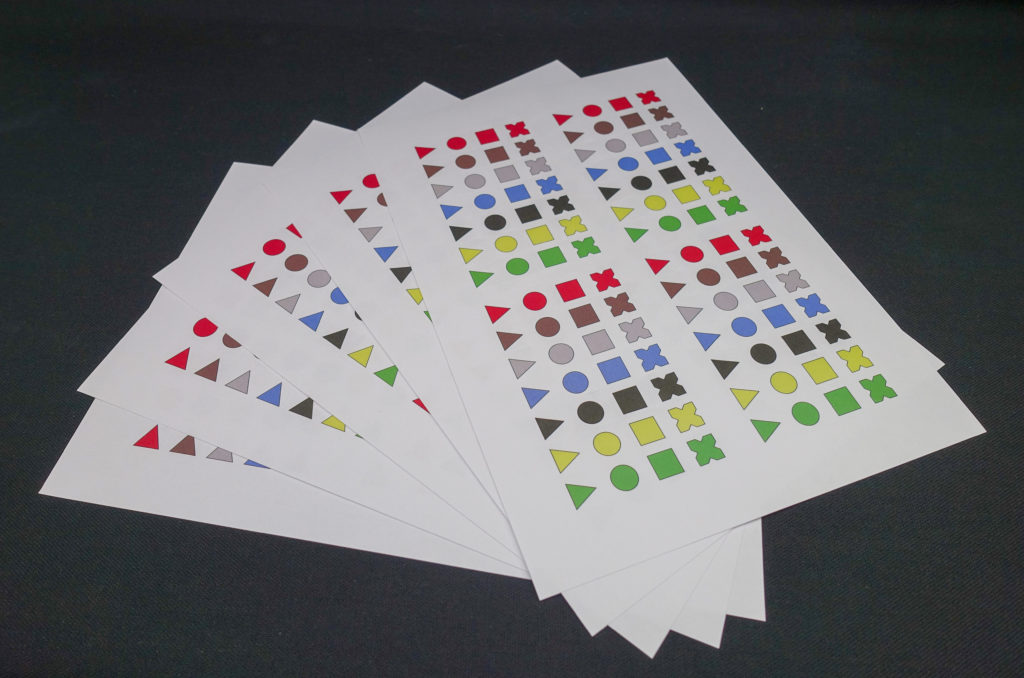
If you’ve ordered Figurenotes Stickers recently, you might have noticed a slight change in their design. The same shapes and colours as before, but without the shadows.

We think this makes the shapes clearer and easier to see on the instrument – and you seem to agree! Thank you to everyone that has helped us with testing and feedback.

Each sheet of Figurenotes Stickers gives you enough for 4 keyboards; you can use them on other instruments too. For the best deal, get our Figurenotes Stickers Value Pack.

Not sure how the stickers work on your instrument? Check out our handy instrument guides and sticker charts, available on our Resource Base under the Instruments tab.

Uncategorised

Music in Primary

How can Figurenotes help music sessions happen as Primary School returns?

Educators all over the world are either in preparations or currently navigating the return of our young people to formal education. There are so many factors to consider, and when it comes to music it’s no different.

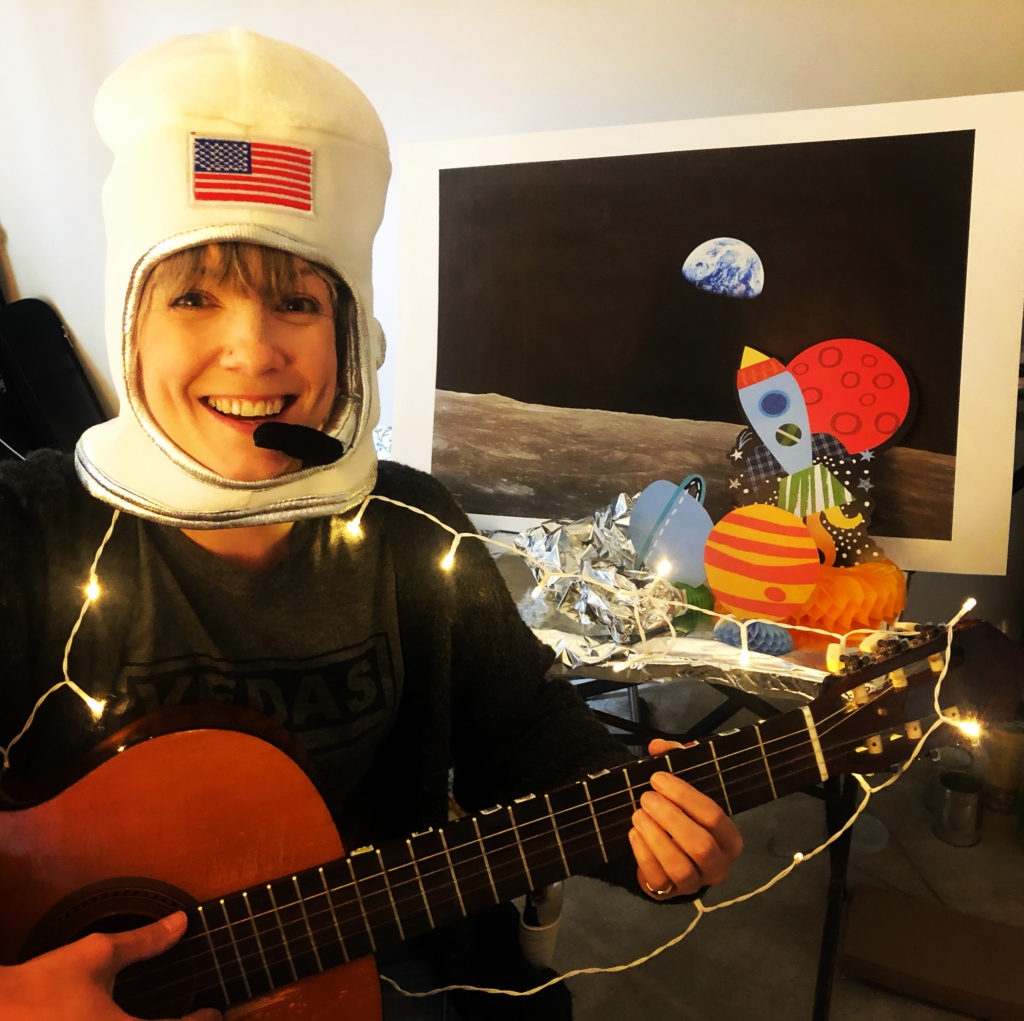
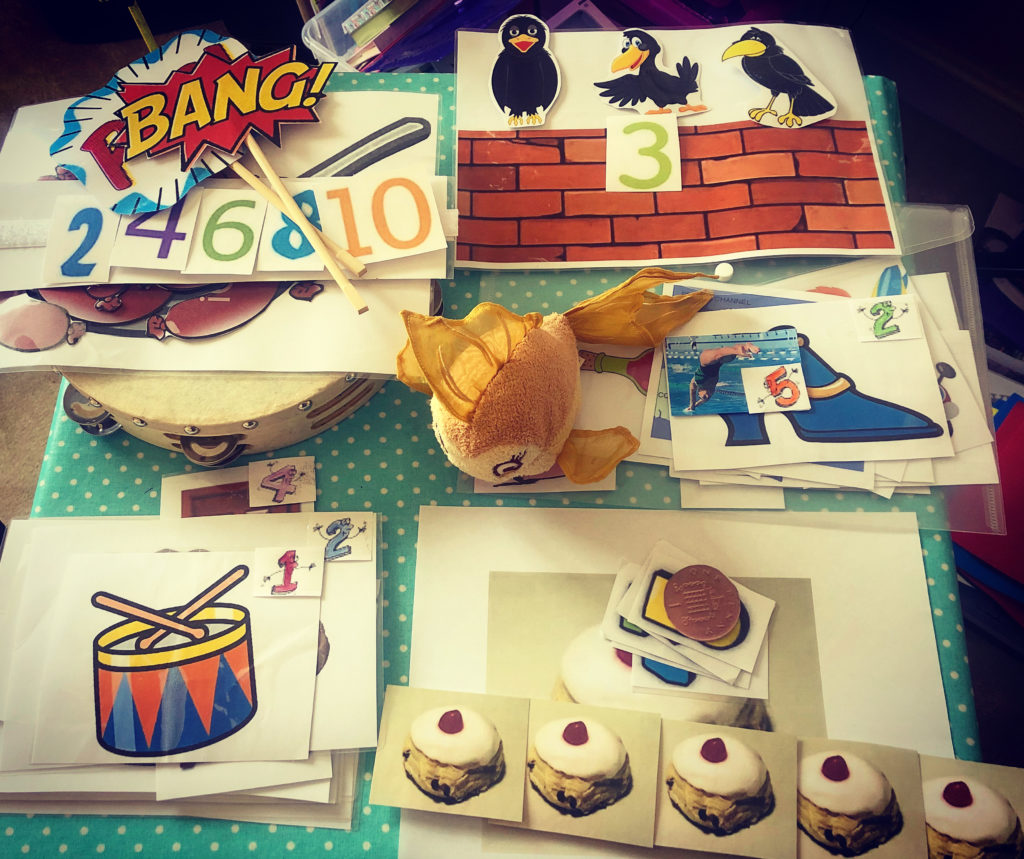
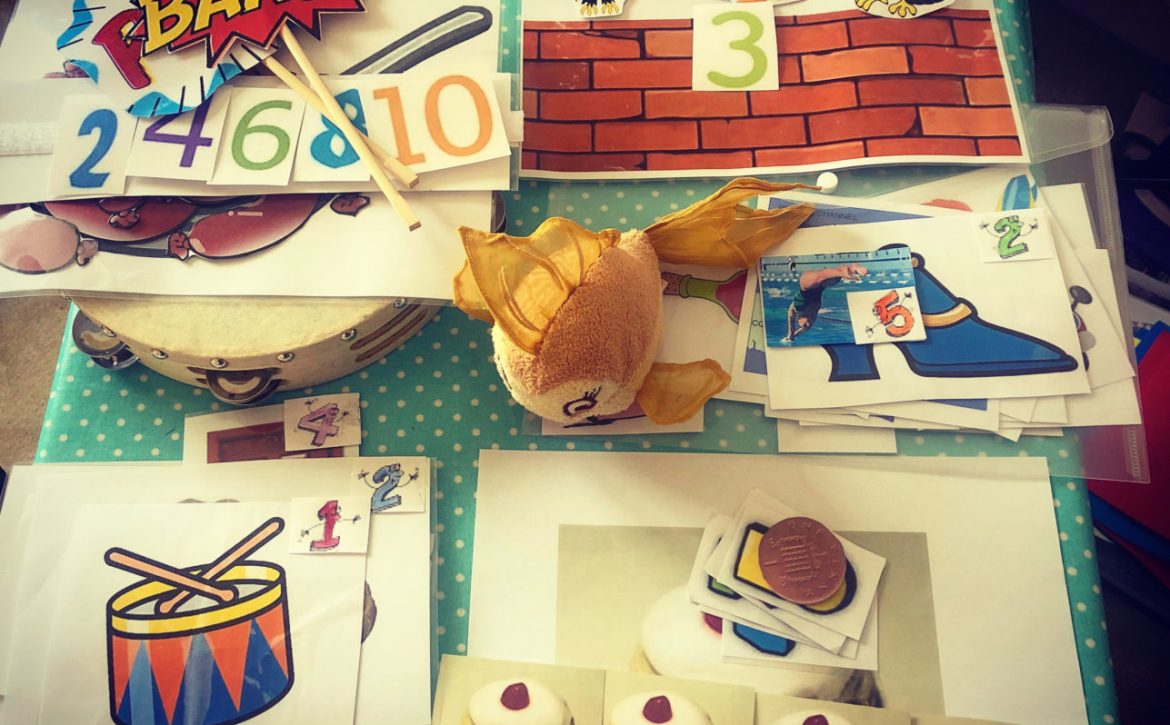
Figurenotes have some great resources designed to help teachers and support staff run simple, fun and successful music sessions that comply with physical distance guidelines. These videos and supporting material, designed and created by Drake Music Scotland‘s associate musicians are simple, fun and achievable. Something that our young people need now more than ever after a turbulent last term and summer break.

We even have something for a sing-free birthday! Pop your stickers on your chime bars, or find something that matches the colours and use it as an instrument. The possibilities are endless!

If you are new to Figurenotes, check out our website and access these resources by singing up to our Resource Base for £23.99 per year (less than £2 per month . You will find resources like these and much more under the Lesson Plans tab.

Happy Figurenoting!

#lmsmart_search_6a48ff148f06b:hover { color: rgba(30,40,69,1) !important; }#lmsmart_button_6a48ff1494fcd { color: rgba(7,47,96,1); }#lmsmart_button_6a48ff1494fcd:hover { color: rgba(7,47,96,1); }#lmsmart_button_6a48ff1494fcd { border-color: rgba(30,40,69,1); background-color: rgba(249,232,20,1); }#lmsmart_button_6a48ff1494fcd:hover { border-color: rgba(30,40,69,1); background-color: rgba(0,166,214,1); }#lmsmart_button_6a48ff1496af9 { color: rgba(7,47,96,1); }#lmsmart_button_6a48ff1496af9:hover { color: rgba(7,47,96,1); }#lmsmart_button_6a48ff1496af9 { border-color: rgba(30,40,69,1); background-color: rgba(249,232,20,1); }#lmsmart_button_6a48ff1496af9:hover { border-color: rgba(30,40,69,1); background-color: rgba(0,166,214,1); }