Playing Chords is as Simple as 1, 2, 3

Learn to play chords one step at a time

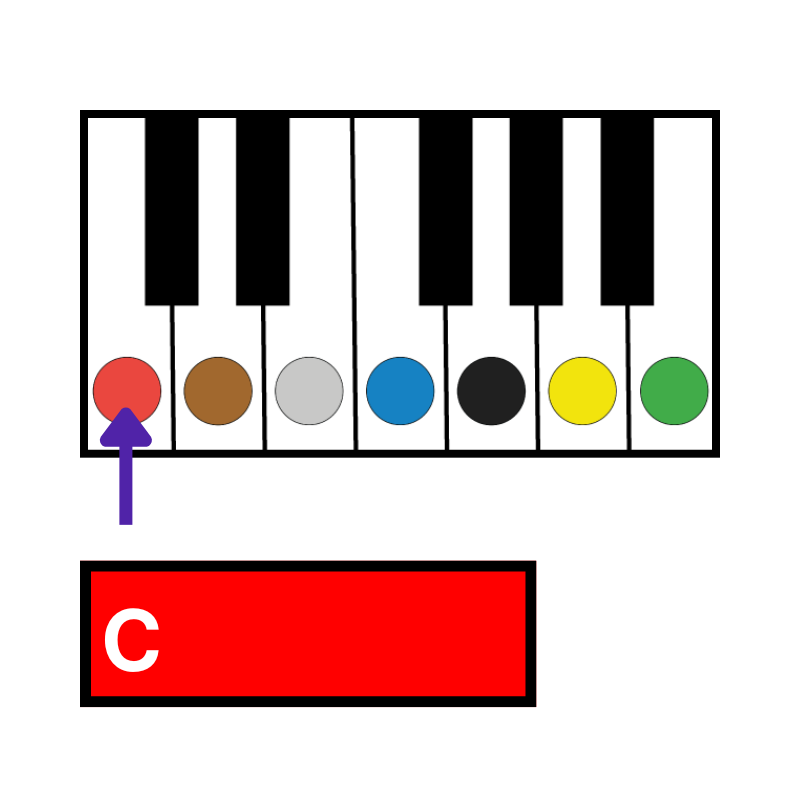
A red box with a white C in it. An arrow points to the red circle on C on a piano.

1. Find the colour

Play the colour of the chord box
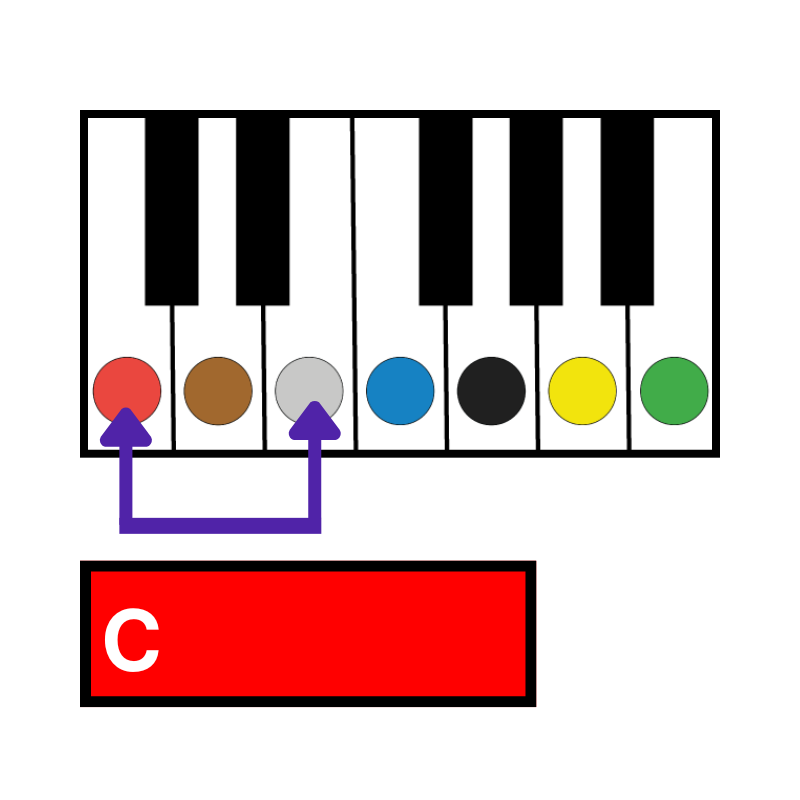
A red box with a white C in it. An arrow points to the red circle on C, and the grey circle on E, on a piano.

2. Find a friend

Not a neighbour! 

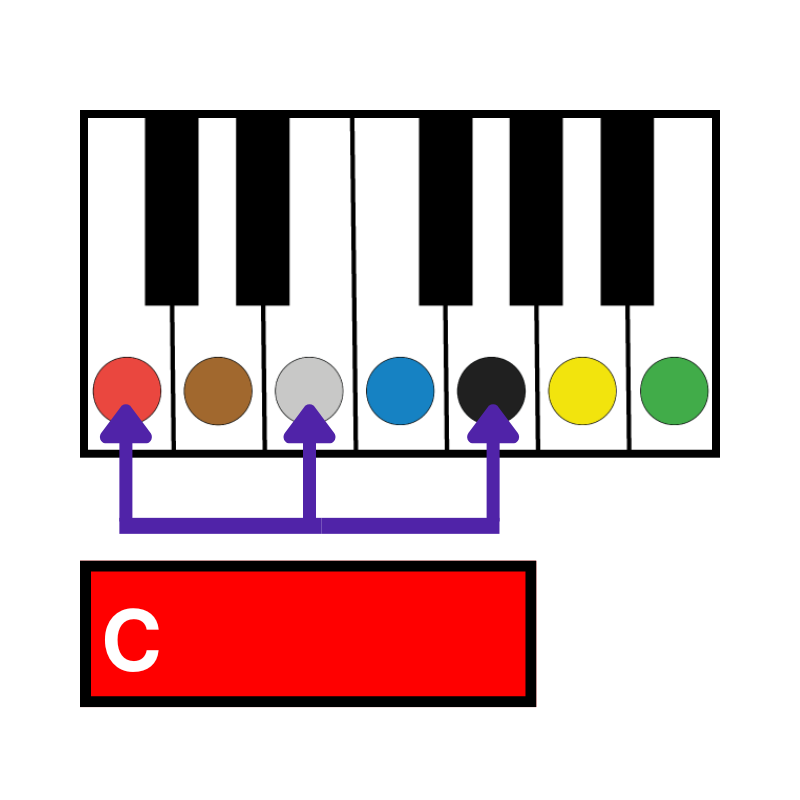
A red box with a white C in it. An arrow points to the coloured circles on C, E, and G on a piano. The colours are red, grey, and black.

3. Find another friend

You're playing a 3-note chord
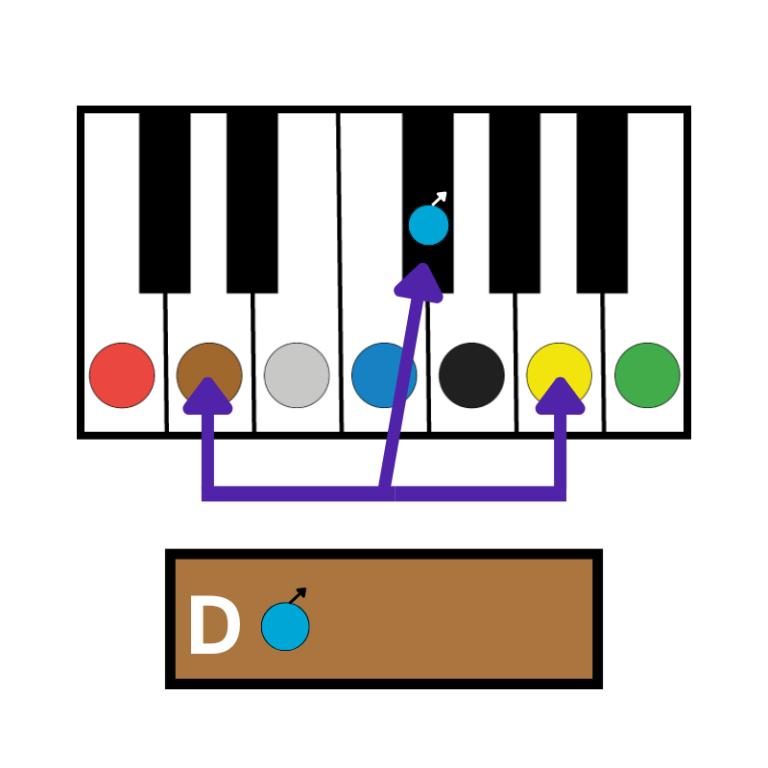
Add Arrow Notes

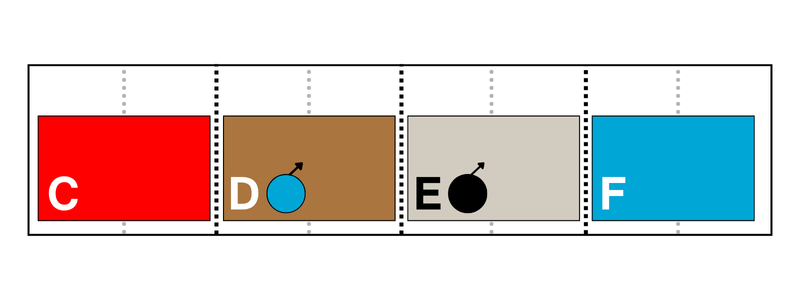
Sharps and flats are shown within the chord box.

In this example, if we find a ‘friend’ that is blue (F), we move to F# by following the arrow. 

Find out more about sharps and flats.

Play Chords Your Way

Learners can start by playing the root note on its own. Progress at your own pace and build the chord when you’re ready.

Figurenotes Guitar

Another way to play chords is using a simplified guitar setup.

We use 4 strings instead of 6 at the start. This means we can barre  open chords, focusing on chord changes and strumming patterns. It is then easier to progress to 6 strings.

Take a look at the instrument guides for more information.

Ready to get going?

Visit the shop for stickers, magnets, tunes, and training
#lmsmart_search_6a3bfff76a8d7:hover { color: rgba(30,40,69,1) !important; }#lmsmart_button_6a3bfff771774 { color: rgba(7,47,96,1); }#lmsmart_button_6a3bfff771774:hover { color: rgba(7,47,96,1); }#lmsmart_button_6a3bfff771774 { border-color: rgba(30,40,69,1); background-color: rgba(249,232,20,1); }#lmsmart_button_6a3bfff771774:hover { border-color: rgba(30,40,69,1); background-color: rgba(0,166,214,1); }#lmsmart_button_6a3bfff774c7d { color: rgba(7,47,96,1); }#lmsmart_button_6a3bfff774c7d:hover { color: rgba(7,47,96,1); }#lmsmart_button_6a3bfff774c7d { border-color: rgba(30,40,69,1); background-color: rgba(249,232,20,1); }#lmsmart_button_6a3bfff774c7d:hover { border-color: rgba(30,40,69,1); background-color: rgba(0,166,214,1); }