Online

Uncategorised

“The best CPD I’ve ever done!”

“Not only was the training great, it was also really fun, which is so important”

As always, we had an absolute blast delivering the Figurenotes: Developing Your Practice course. The interactive elements always have everyone smiling and it really brightens our day to work with such enthusiastic music leaders.

The inspiration was sparking for our fabulous course participants from the very first week! It is so invigorating to set an activity or a homework challenge and see the ideas pouring out of the wonderful teachers before us.

Online worked a treat! Well planned for the context and plenty of opportunity to share practice. Good space for thoughts to be absorbed too.

The Group

Last time we had an international crowd, but this crew were all based in Scotland, so we are also building a lovely network of musicians that can support each other in their day-to-day work too. That is why we encourage all our Figurenoters to join the private Facebook group too. It’s a great place to ask questions and share ideas with other Figurenotes teachers and leaders.

Getting to know our small groups and working together over the weeks really helps us to deliver practical advice relevant to each person and their working environment. With such broad portfolio careers in music and music education, we love hearing about the incredible professional experience each attendee brings to their work. Instrumental and classroom teachers, mainstream and specialist schools, composers and community musicians – we had a wealth of knowledge and experience within this group. Music education in Scotland is very lucky to have such an inspirational bunch of musicians teaching the next generation.

Excellent, fun, interactive, and curious sessions that were active and engaging.

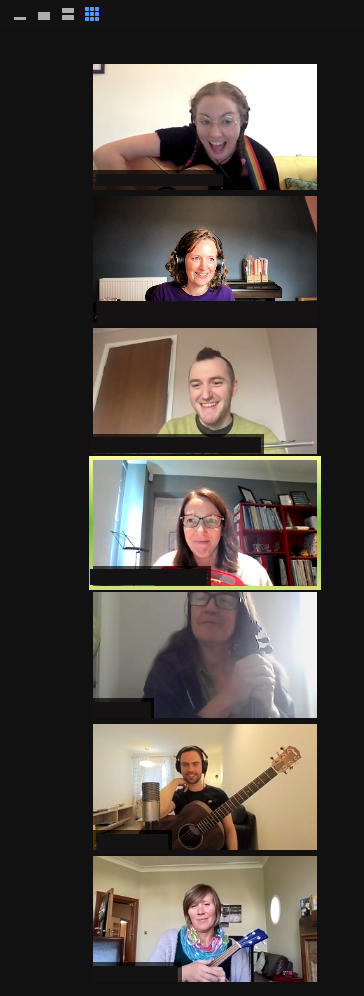
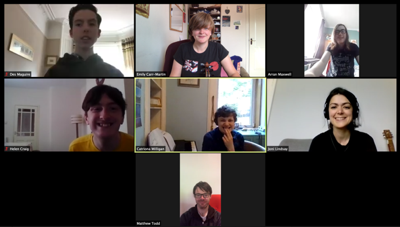
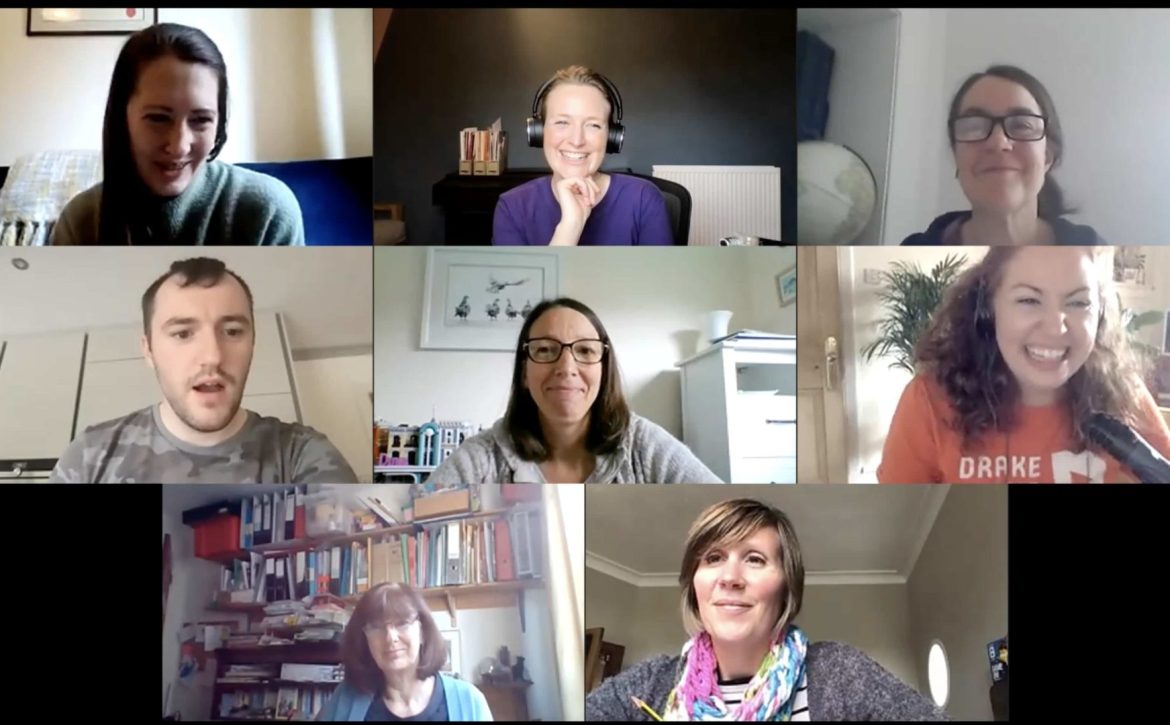
Zoom screenshot with 7 smiling Figurenotes trainees. Some instruments are visible, such as guitar and ukulele

Week 1 – Rhythm

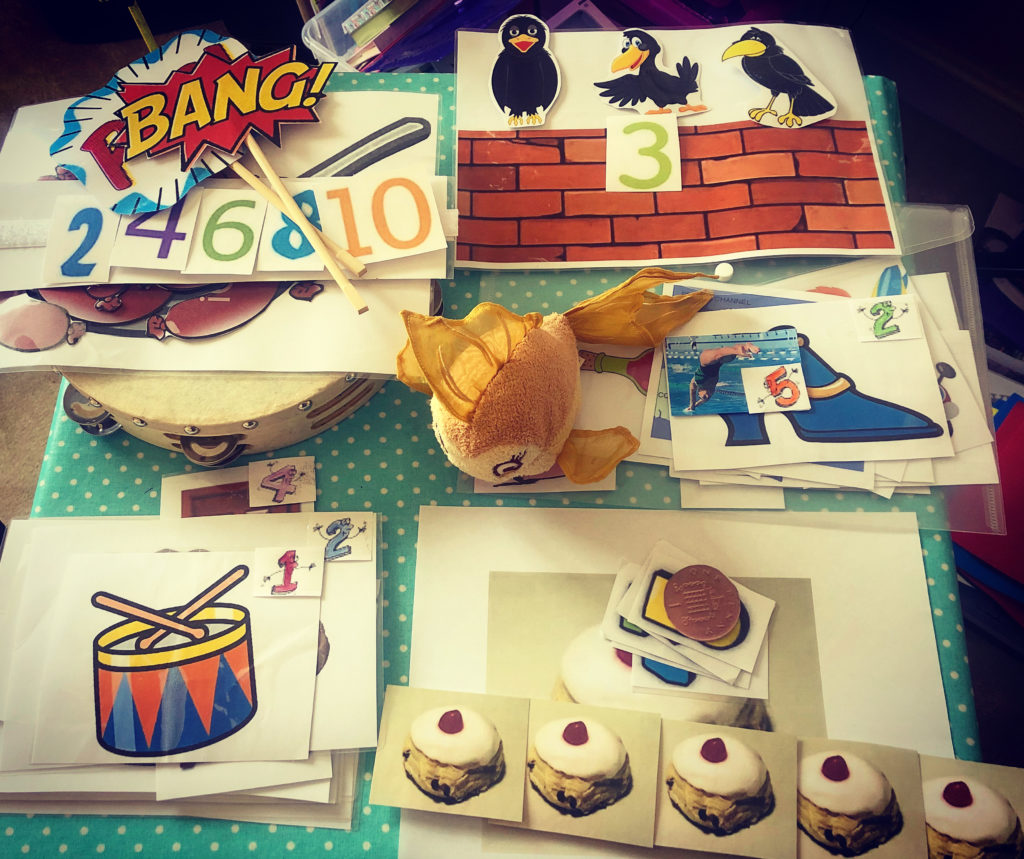
After introducing the basic principles of Figurenotes, we start the fun and games. Our rhythm activities using canon even got a live outing with a woodwind group in the week following the session, which went down very well with the pupils!

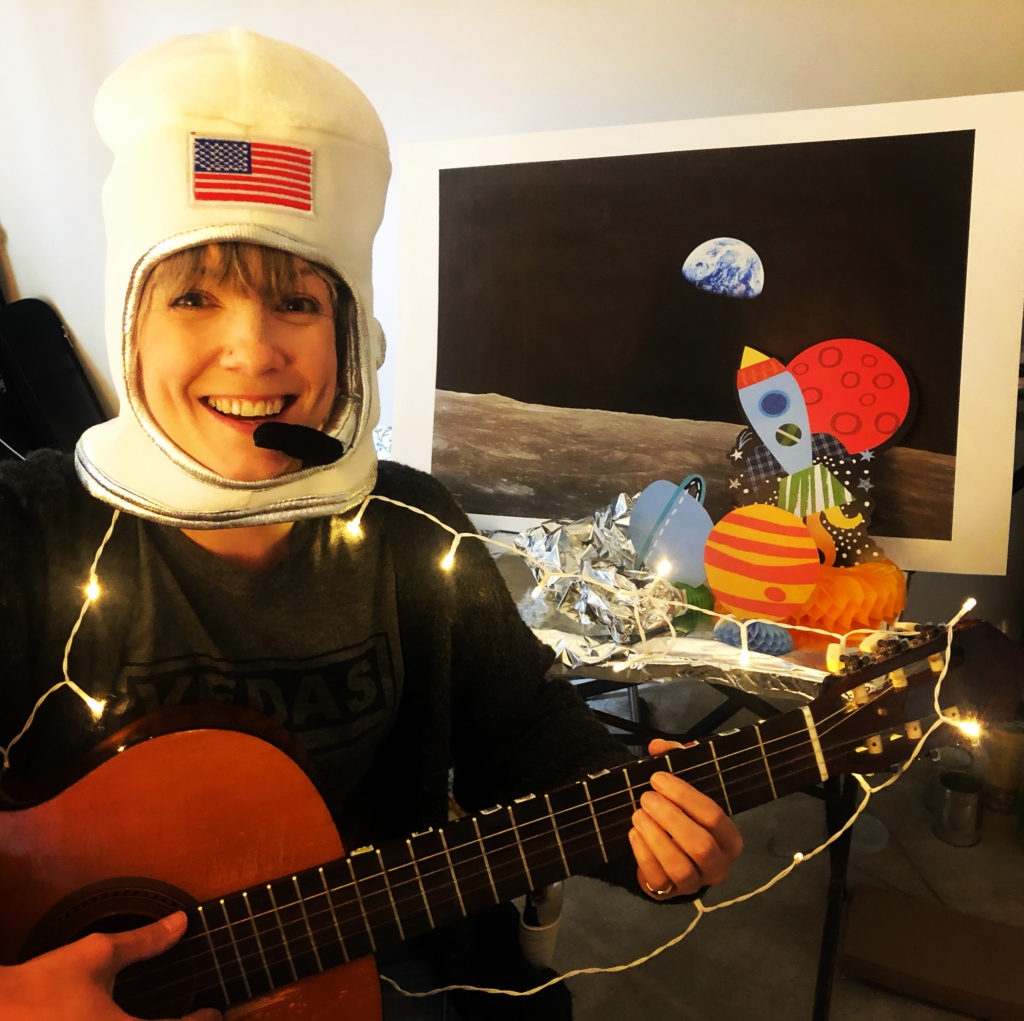
Our rhythm homework challenge inspired such innovative responses. These ranged from movement activities inspired by Pachelbel’s Canon, exploring and listening on an adventure with a cuckoo (Saint-Saens), all the way into outer space for a space-themed rhythm and structure activity. Their pupils are going to be having a lot of fun in the coming weeks working on this lot.

Week 2 – Composition

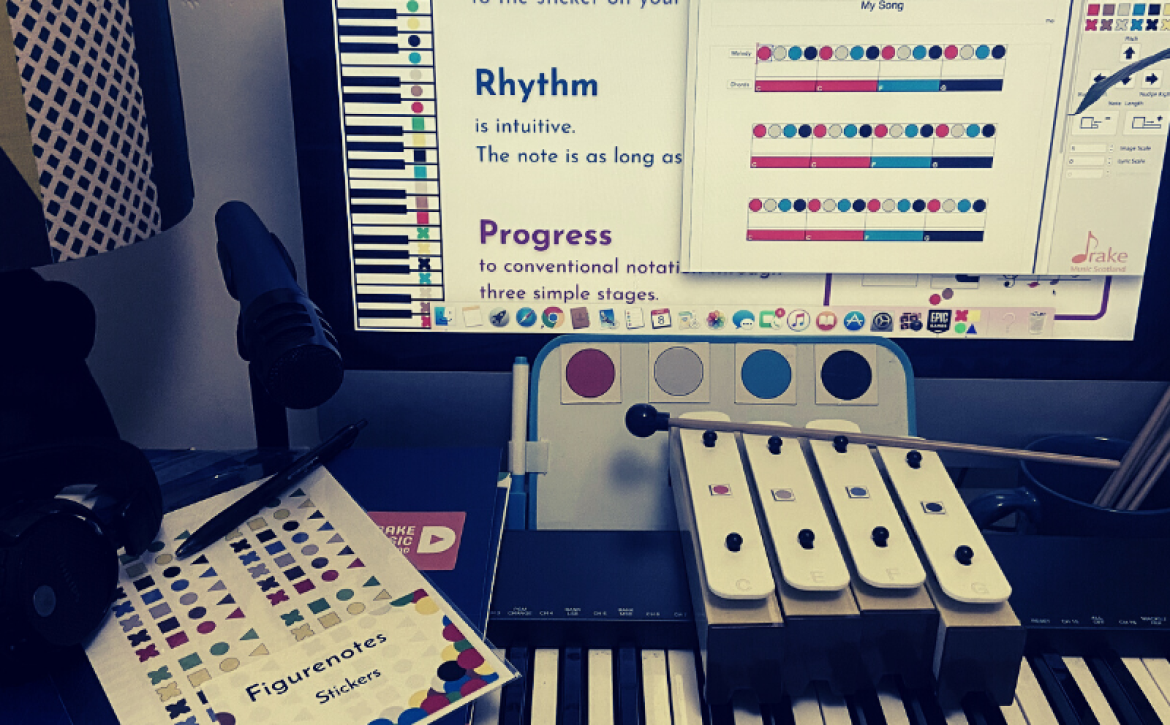
Chime cam made an appearance this week to showcase some compositions created during the session. We played with different ways of using rhythm and colour (pitch), as well as directing each other’s playing. It is always lovely to hear some live playing in an online setting too (the viola played as a cello was my personal highlight).

Week 3 – Groups

The Gingerbread Man came to play today. Incorporating elements from the past 2 weeks, this activity is great for differentiation, turn-taking and other ensemble skills, as well as having more extension activities than you can shake a rainstick at!

By combining this with practical tips for making group-work accessible and fun, this action packed week should set up our music leaders with the tools they need to get cracking with Figurenotes.

“I’ve already started using it and the kids just get it straight away. It’s definitely here to stay. It’s been life-changing!”

1:1 Follow-ups

Every participant can book a follow-up session with course leaders to ask whatever questions and queries that weren’t covered in the training or to dive deeper into certain aspects of their practice. This could be anything from reviewing and discussing resources created during the course, refining and developing them, or a walk-through of the software. These sessions are a wonderful way to tie up the learning from the previous 3 weeks to set our participants up with the skills and confidence to dive into using Figurenotes in their practice.

What Next?

Our next course will run in March 2022. Book your place here and join us for more Figurenotes fun and games, learning skills for delivering accessible music sessions, whatever your work setting.

Loved all of the compositional games gifted and the resources of materials – an amazing package of tools to get going in a lot of contexts.

Uncategorised

Top Tips for Online Teaching

After a year of lockdowns, school closures, and U-turns, many of you will be total pros at remote, hybrid, synchronous and asynchronous lessons. Here we compile some of the top tips we’ve gathered along the way.

Breakout Rooms = Practice Rooms

Delivering to a group and need to check up on their individual work? Whether in a classroom setting or a group rehearsal, assigning pupils their own breakout rooms as practice spaces means you can visit each pupil and see how they’re doing. No scheduling needed, just pop in when you feel like it. The threat of an imminent visit from a teacher can help keep them on task too, especially if they’ve got many distractions at home (how many pets have you seen over Zoom by now?)

Know Your Platform

Some schools will be very strict about the platform you can use and you’re stuck with it. If you’re a private teacher, try to get everyone on the same platform as you. We’ve found Zoom to be the best, as their sound options seem the most comprehensive. The Original Sound feature is fantastic and teaching instrumental lessons would be much harder without it. The new high fidelity music settings haven’t blown us away and sometimes caused more problems, but original sound should see you right.

Make sure you send accessible resources and instructions to students, parents/guardians, or support staff, so everyone is set up and ready to go.

Know the accessibility features of your platforms and technologies. There are new updates all the time, such as Zoom now having in-meeting closed captions. Google Meet’s captions are generally accurate, even when singing.

Online Recitals

My first online recital had 100% engagement. Normally I get about half of my pupils wanting to perform live, and virtually none of my adult pupils ever want to get involved in concerts. Let them choose between playing live or sending you a video beforehand for you to share from your screen. One of my pupils has always point-blank refused to play in concerts and she took part by sending in a video, even though she couldn’t attend the concert itself.

One brilliant bonus of performing online is that you can invite family and friends from far afield who would never have been able to see the live show. We used the chat feature in Zoom to post positive and supportive comments. It was lovely.

Connection is Everything

The strength of your internet connection has become the difference between a great lesson and a frustrating waste of time. If you find you or a pupil has terrible wi-fi, try an ethernet cable. Directly plugging into your router can do wonders for the strength of your connection.

Human connection is important too. Take time to discuss how the week has gone, not just in terms of their practice. Find ways to play together (your student needs to be muted) or play games. A laugh can go a long way during a pandemic.

Get Creative

Figurenotes lends itself to creativity, and this is no different online. Grab household items in Figurenotes colours and compose with them. Share screens and use the Figurenotes software to do some composing or arranging – a great way to sneak some stealth theory in. Try using the whiteboard feature, or Google Jamboard, to draw graphic scores in Figurenotes colours and play them. Wherever you can find colour, you can compose and improvise. Remember those homemade instruments mentioned in Fiona Sharp’s excellent blog? Endless fun and a way to entertain the kids during school closures and cancelled clubs.

Improve Your Skills

This is a great time to build on the skills you have and take a training course, as most are online and don’t require travel. Getting stuck into skill development is much more beneficial to both your mental health and job satisfaction than completing Netflix. There are plenty available. Our new online course, Figurenotes Online: Developing Your Practice, is ideal for emerging and established musicians, teachers, and music practitioners. You’ll learn how to make your work more accessible, inclusive, and fun! The groups will be kept nice and small in order to focus on your needs and help develop resources that fit your setting and style. You can find out more here: https://figurenotes.org/new-online-training/

Guest Blogs

Teaching Figurenotes Online part 2 – Hear My Music

Emily Carr-Martin from Hear My Music has continued to provide high quality music provision during lockdown. Here she gives us an insight into how they moved sessions online, as well as some of the unexpected benefits of working in this way.

I’m Emily and I’m the creative director of Hear My Music, a charity enabling people with complex needs and/or autism to express themselves as individuals through inclusive participant-led music making. In short, pre-pandemic, this meant that I spent most of my time making/teaching/facilitating music with remarkable people in schools, community centres, and the green room of the Glad Café where we held our classes. In the current world I now do this from my laptop screen via Zoom or Teams with the company of my wonderful office companion, Isla the spaniel.

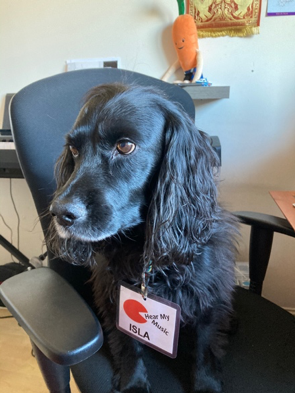
Isla the spaniel at Hear My Music HQ

I have used Figurenotes in my work for a number of years and love it! As a dyslexic musician, something in the logic of the visual system immediately clicked with me and the colours are so ingrained with pitch in my brain that I can get very twitchy when looking at a solid block of colour and hearing music that is not in the corresponding key.

I love that moment when you introduce a child to a Figurenotes score on a piano or chime bars and before the adult in the room has finished drawing breath to ask how the system works, the child has played their first full tune! No words required. This suits both me and the majority of people I work with!

Hear My Music runs a project called Glad Spectrum Music (GSM), an after school group and individual music classes for autistic children and young people. It is this project that this blog post will focus on with a particular emphasis on how we have moved the project to remote delivery and our continued use of Figurenotes within this.

I’m sure everyone remembers the run up to the lockdown in March vividly. I spent a surreal week cancelling every project we run and then swiftly working out how to run remote music sessions for the following week. GSM took one week off, the week before the schools closed, and the following week we were delivering our classes online, this was perhaps quicker than was sensible, however the craving for routine and normality was tangible and it was that that I reacted to.

A screenshot of a Zoom call with 7 smiling faces
Zoom Group session – Lockdown Hairstyles…

The setup/preparation for these sessions wasn’t huge. Anyone who didn’t have a keyboard in their house was provided with one to borrow, with Figurenotes stickers. We sent out many ‘fingers’ templates (available on the Resource Base under ‘General‘ or in the free bundle), and huge amounts of music for home printing. When presented with my first bit of black and white music from the other side of the screen (no colour printer!) I learnt that sometimes posting music was the best option.

I discovered that there are popular coloured keyboard stickers with notes drawn on them and letter names that don’t correspond to Figurenotes colours, a lot of information on one sticker that maybe a sibling was using on a shared keyboard. Add a Figurenotes ‘fingers’ template to this and it made my head hurt to look at it! Fortunately, the same sticker company also makes a black and white version!

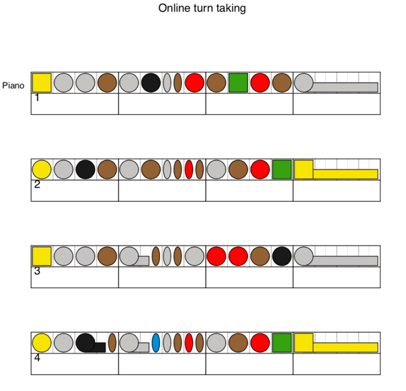
We quickly learnt about the limitations of group music making on the internet. We began to learn what works and what you have to accept as a no-go. Playing as a group, that feeling of absolute ‘togetherness’, the sound and vibrations of instruments working together – that cannot be replicated. Listening to each other, however, is something that can be honed and worked on in ways that would be more difficult in person. I wrote a very simple piece of music called Online Turn-Taking and it was with this piece of music that we learnt the skills of turn-taking online, first with heavy operation of the mute button from practitioners and over time with participants learning when to listen, when to play, how the music could still be a group effort.

Our crutch for early remote group sessions

There was a really lovely discovery within our remote sessions that some people with very high anxiety found remote sessions much less anxiety inducing. This could be due to a number of reasons: no travel, total control over your own environment, no fear of external sounds/smells/visual distractions, the ability to switch us off at will…It meant that for some participants we have made more musical progress than we would have in person and while we will never exclusively deliver sessions online if we don’t need to, a hybrid approach for some individuals is definitely something to consider.

We also put on a Zoom concert in the summer; this was livestreamed on Facebook and involved two separate breakout rooms as our ‘green rooms’ and a main stage using the broadcast message function to call people to the ‘stage’. The livestream was streamed in the breakout rooms. This set-up was probably one of the most anxiety inducing concerts we’d ever put on for practitioners, however some young people who wouldn’t dream of walking into a room with an audience nonchalantly performed exceptionally well!

We use Figurenotes creatively in sessions and this has been easy to transfer to doing online. We miss the huge coloured pieces of lycra that we would set up in a room as different lands; jumping quickly from the red hot lava – C, swimming in the blue sea – F, relaxing in the green grass – B etc. This has been replaced by the screenshare function with Figurenotes software and has resulted in me now having an encyclopaedic knowledge of different dinosaur species and some excellent original pieces of music.

https://youtu.be/NSW8r6nbrsc

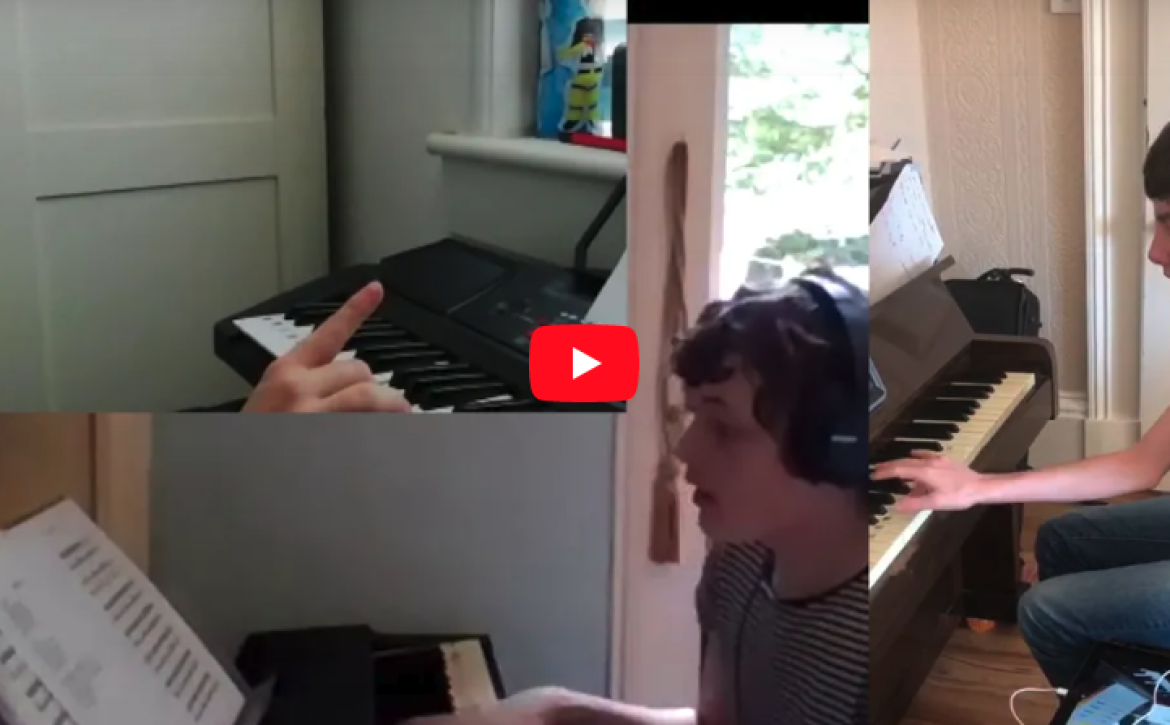
This is the first group piece we wrote and recorded during lockdown, it was written with coloured chord flashcards to choose the chord pattern which formed the basis for the rest of the song. Our recording and editing skills have become much more refined over time but I remain very proud of this first one.

The transition to remote music sessions has been both very challenging and remarkably smooth. The fundamentals of what we do have not changed and I think that is one of the things that has helped practitioners and participants alike throughout this difficult time. The continuity of seeing each other and working together every week has certainly provided some much needed routine for me and I am so proud of the resilience of each and every one of our participants. As we continue on navigating our way through this difficult time we will have the safety of mutual musical goals and the community that we have developed through this.

Guest Blogs

Teaching Figurenotes Online part 1 – F Sharp Music Practice

Fiona Sharp of F Sharp Music Practice has had great success with her online music sessions during 2020 and into the new year. As many musicians worried about their future work opportunities, Fiona has continued to provide high quality sessions for many organisations including PAMIS and Drake Music Scotland. She has also delivered training sessions on how to get the most from online delivery, including advising on a new online project for schools with the RSNO. Here she gives us a brief insight into her practice.

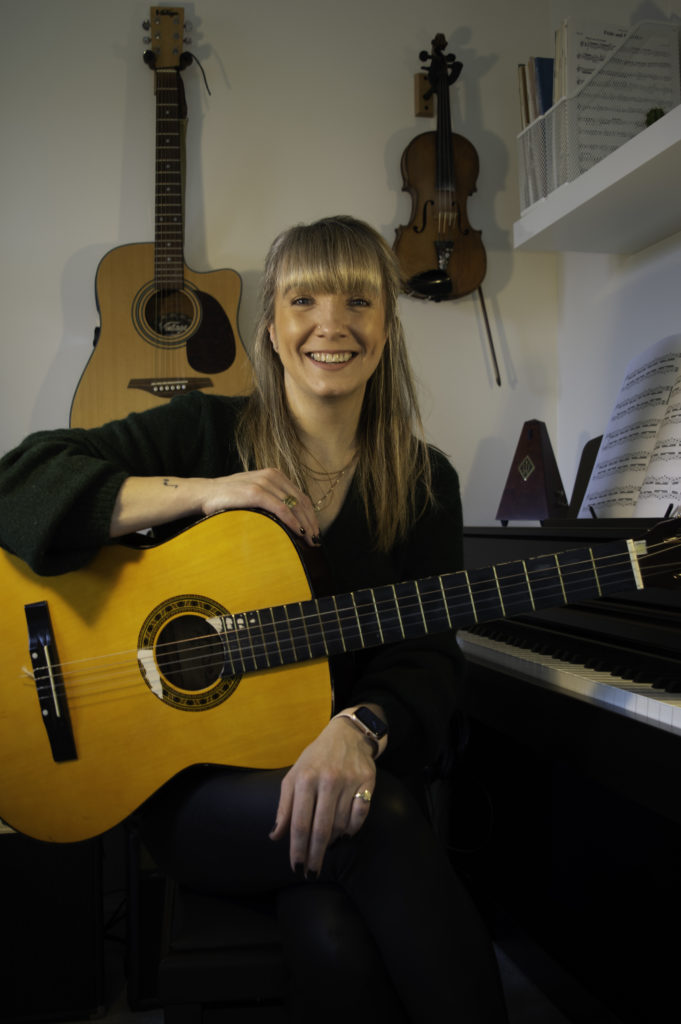
Fiona Sharp of F Sharp Music Practice (above)

I was concerned like many music teachers, practitioners and specialists at the start of lockdown how music tuition could be achieved solely on an online basis, especially when working with pupils who have Additional Support Needs. Over the past few months I have been astounded at the level of development made with many of my clients and pupils and in particular their progress with Figurenotes.

I have tried various ways of using Figurenotes online and I have detailed below the activities and methods I have found to work particularly well.

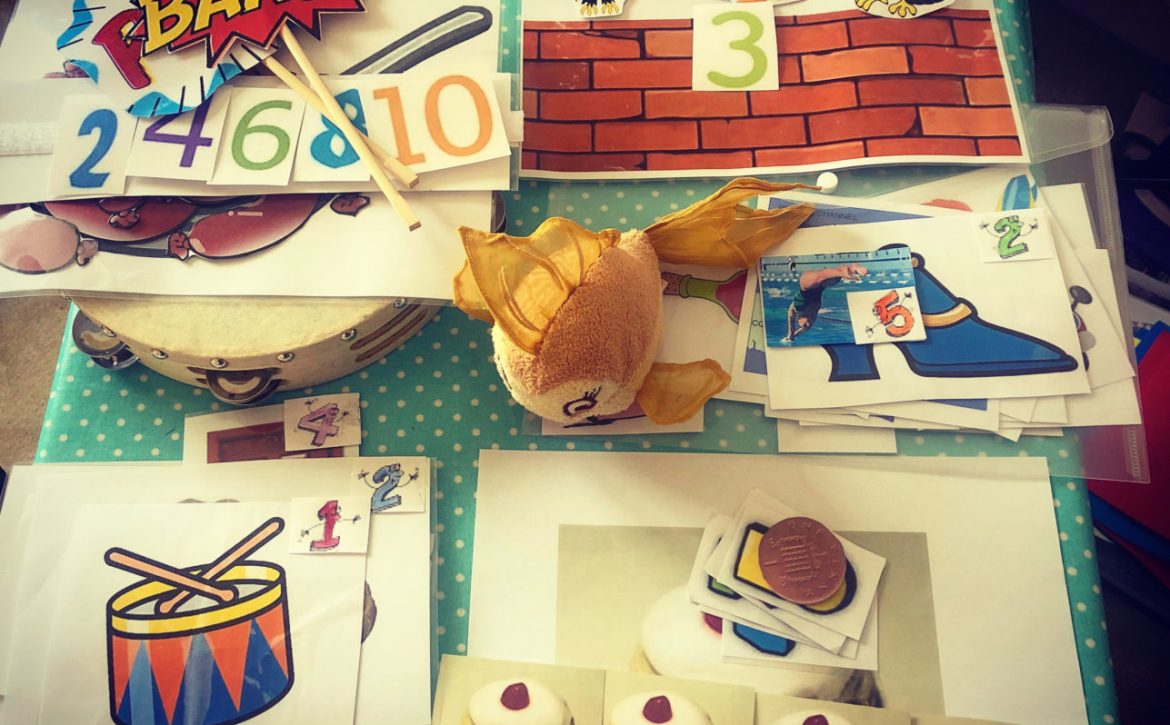
Something I have found to work well when using Figurenotes online for teaching is emailing sheets of Figurenotes notes for the pupils to print and cut out so they are able to make up their own songs, unless the pupils already have their own Figurenotes magnets. I usually start my online sessions asking the pupil to choose 10-15 cut out notes, either showing me the note or telling me what colour and shape it is. They can either lay the notes out in front of them, or as I tend to do, I put the Figurenotes magnets on a board, which I then hold up to the screen for them to see.

To vary the exercises I sometimes change the shapes they have chosen and get them to play the squares with their left hand, and the circles and triangles with their right hand. I also do chord work using the magnets/cut outs as well as exercises focusing on hands separately and hands together.

Themes can be fun to make the sessions a bit more interesting, for example themes about the sea, weather and emotions are popular ones, then finding songs or making up musical activities to go along with that theme.

The sea is always a good theme. You can get pupils to put lentils or rice in a plastic tub with a lid and slowly rock it from side to side so it sounds like the waves. Try the ocean drum tutorial in the video below. You can make up a short sea shanty using the Figurenotes magnets or cuts outs, and there are plenty of sea-themed songs which you can play using Figurenotes:

  • My Bonnie Lies Over the Ocean
  • Bobby Shaftoe
  • Row Your Boat
  • Skye Boat Song

Overall, my experience so far working online has been positive. I have noticed I am having to describe and communicate a lot more than I would normally in a music session, but I have been very surprised by the level of development my pupils have had since teaching online. I have come to the conclusion that it could be due to fewer distractions. For pupils on the Autistic Spectrum this has been particularly evident, and I have been quite amazed at the level of concentration and engagement they have during their session. I feel many of my pupils have achieved a lot more in a half hour session than they would normally with me sitting next to them. I have also noticed they have to work things out for themselves more than normal as I am not there to physically support them or show them what to do. I have been very impressed and pleasantly surprised by the level of development made with each pupil through online music sessions.

Uncategorised

Figurenotes Online – Developing Your Practice

The world’s first online Figurenotes training programme has launched!

Figurenotes Online: Developing Your Practice

This new interactive course is suitable for all music educators and practitioners; enabling you to begin or further your work in an accessible, inclusive way.

You will take part in 3 interactive sessions with expert course leaders and small groups of your peers. Each session will guide you through new ways to approach the fundamentals of music-making; creating and tailoring resources that fit your working practices. To help get the most from the course, you’ll be given activities to do between sessions to help you apply this training directly to your own work, with valuable feedback from course leaders and participants.

If you’re looking for a new tool to add to your toolbox, or want to take a deeper look at the way you work, join us for this fun and engaging course. You’ll receive a copy of the latest Figurenotes software as part of your attendance, allowing you to fully engage in the content and activities within the course.

You can find more information on our training pages, including the booking form. If you have any questions, please get in touch at figurenotes@drakemusicscotland.org.

£149.99 – includes Figurenotes software and 3-week training course.

Thursdays – April 22nd, 29th, and May 6th 2021. Morning and afternoon options available.

See what people had to say after our last Music Teacher’s Toolbox training day:

#lmsmart_search_6a48ff01cca2f:hover { color: rgba(30,40,69,1) !important; }#lmsmart_button_6a48ff01d0893 { color: rgba(7,47,96,1); }#lmsmart_button_6a48ff01d0893:hover { color: rgba(7,47,96,1); }#lmsmart_button_6a48ff01d0893 { border-color: rgba(30,40,69,1); background-color: rgba(249,232,20,1); }#lmsmart_button_6a48ff01d0893:hover { border-color: rgba(30,40,69,1); background-color: rgba(0,166,214,1); }#lmsmart_button_6a48ff01d23af { color: rgba(7,47,96,1); }#lmsmart_button_6a48ff01d23af:hover { color: rgba(7,47,96,1); }#lmsmart_button_6a48ff01d23af { border-color: rgba(30,40,69,1); background-color: rgba(249,232,20,1); }#lmsmart_button_6a48ff01d23af:hover { border-color: rgba(30,40,69,1); background-color: rgba(0,166,214,1); }