I have been developing my use of Figurenotes for mainstream children of various ages through 1-1 keyboard tuition.
I’d like to share a DIY transition resource I created after inspiration from the Developing Your Practice course, as well as my takeaways from working with Figurenotes over the last few years.
Lockdown has brought different challenges to different people. You may have discovered that you’ve got tonnes of time to practise. Maybe you’re juggling multiple responsibilities and need to make your practice time as efficient as possible. Or you might find that having lots on your mind means you can’t concentrate very well at the moment.
We are here to help! We have loads of tips to help you increase motivation to practise and make your practice time more effective. Do you have any more tips to share? Let us know by email or social media.
Let’s get motivated
Make like Mr Motivator and get yourself pumped for practice! Getting started is the hardest part, so set a regular schedule for yourself. It will soon become as easy to fit in as brushing your teeth.
Try setting an alarm for starting your practice – the same time each day, if you can, or work out a time for each day of the week. Put this in your calendar and set up reminders.
Ever heard the term ‘eat the frog’? If you’re finding your practice hard, start doing it first thing in the morning. Getting it done early means you can relax for the rest of the day without worrying when you’ll fit it around your other commitments (those TV shows won’t binge themselves).
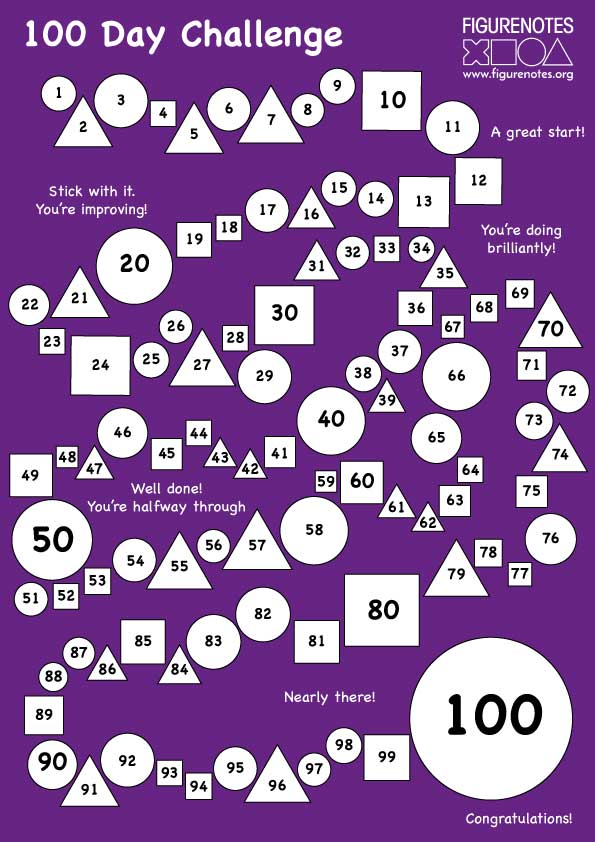
Try a practice challenge. We have charts available all the way up to 100 days on our Resource Base. Set your goal and give yourself a prize at the end of it. There is a special covid-19 day practice chart in our free resources bundle.
Now we’ve got going, how can we keep our focus and make our practice really effective in the time available?
Make your practice goal-focused. Be specific. Instead of thinking ‘I’m going to practise this piece’, think ‘I’m going to improve my dynamics in this middle section’. Write down a short list of goals for each practice. This is best done at the end of the previous practice session, as it means you can open your book and get cracking without having to plan and think too much.
Don’t always start from the beginning. If you start in the same place each time, you’ll get really good at that initial bit. Your brain will soon become tired and you will stop in the same difficult places each time. Start with the hardest/least familiar section.
Practice makes permanent! In order to improve, you need to work on playing things more times ‘right’ than ‘wrong’ (‘right’ being the way you want it to sound, rather than the way you’re unhappy with). Find your small tricky section – really reduce it down to the specific bit you need to work on. Repeat this until you can play it 3 times in a row exactly how you want it. Made a mistake? Go back to zero. Once you’ve managed 3 in a row, can you do 5 in a row? 10? Go wild!
Slow down. Your brain and body need time to process. Practise slowly and you’ll reap the rewards!
If you practise something slowly, you forget it slowly. If you practise something fast, you forget it fast.
Itzhak Perlman – violinist
Rewarding yourself
Life is hard enough at the moment. Be kind to yourself and take stock of what you’ve achieved, rather than focusing on the things you’d like to improve. Managed to improve your bow hold? Great! Is your intonation much better than 6 months ago? Look at you go! Is your ear so good that you notice when your tone isn’t AMAZING? Well, look who is one step closer to their virtuoso career!
Put on a concert for friends and family – this might be over the internet, phone, or even through the window. There aren’t many concerts happening at the moment, so you’ll really brighten someone’s day. It is a great practice goal to aim for too.
Give yourself a treat for all your hard work by playing something really fun at the end of your practice session. It makes all the technical work worth it.
Send us your videos and we’ll share our favourites on social media. Tag us @figurenotes or use #FigurenotesAtHome. We’d love to hear more of your practice tips too!
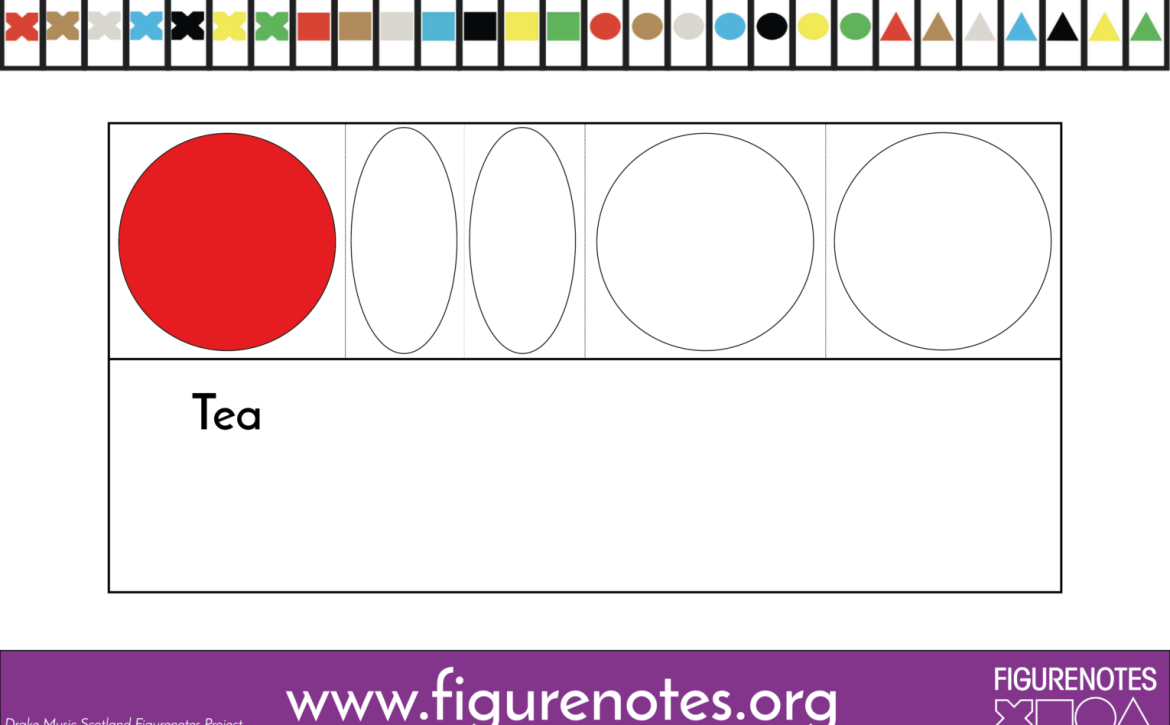
Rhythm is so intuitive with Figurenotes – the note is as long as it looks!
So how does it all fit together?
Our newest #FigurenotesChallenge aims to help you/your students understand the relationship between different rhythms through this gentle movement activity. This is the first in a series of videos designed to develop rhythmic skills whilst promoting a healthy activity you can do at home.
You can use our FREE supporting resources on rhythm to create your own rhythm words or movements for each rhythm. Make it your own, or play along as it is. You can use your instruments to play along, or use the movements suggested in the video. Whatever works for you or your students.
Go on and have a wee go! Then share your findings with us. Drop us a line at figurenotes@drakemusicscotland.org or share on your favourite social platform. Tag us @Figurenotes and use the hashtags #FigurenotesChallenge or #FigurenotesAtHome. We will post our favourites on our Twitter and Facebook pages.
I know you teachers are a committed bunch and spend much of your holiday time thinking about next term and updating your lesson plans. With that in mind, I’d like to give you a little inspiration for your upcoming lessons. If this feels too much like hard work right now, save this blog and come back to it when you’ve finished lazing by the pool.
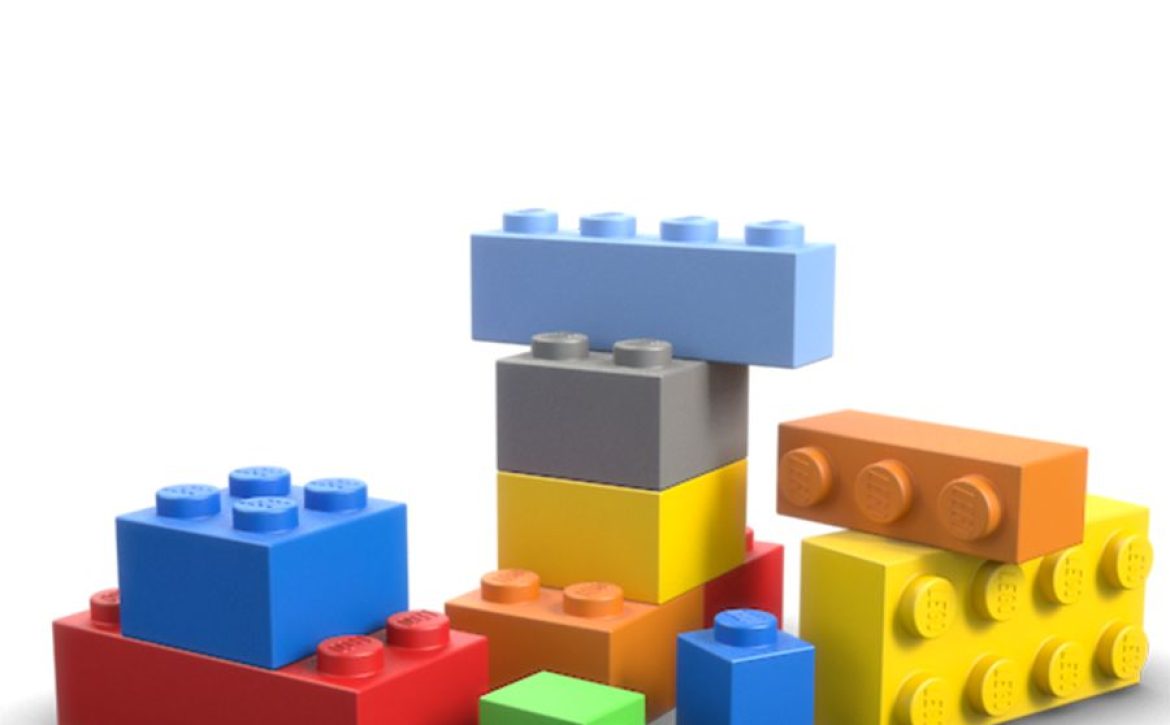
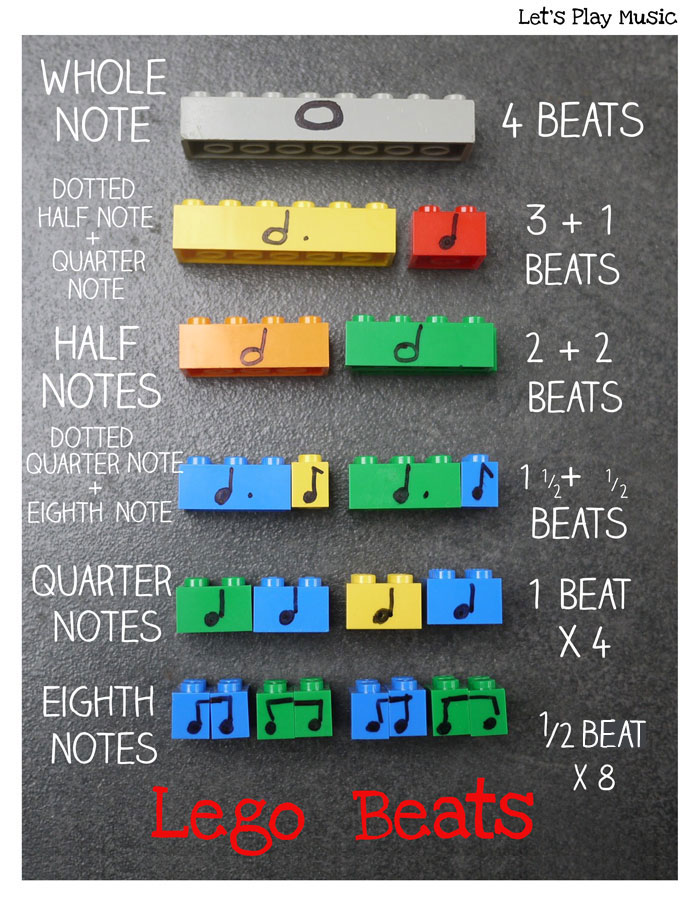
1. Have you ever created music using Lego? Use the different sizes and colours of the bricks to create Figurenotes tunes. You can then develop this activity to learn rhythm in standard notation. Maths teachers have been using this method for years!
Did you know that you can buy individual lego bricks? This means you can create a pack directly suited to your needs. All the Figurenotes colours are available from the lego site, just make sure to order all the different sizes you’ll need. This is a great way to teach dotted rhythms, key signatures, and general rhythm reading skills in both Figurenotes and standard notation. You could always put a call out for unused Lego in your local community too.
There are some great templates for Lego music making on Pinterest.
You could create some card versions, either large for whole class work, or small for individuals and small groups. If your pupils are young or have difficulties with motor skills, you might want to start with Duplo.
2. Poly-pockets – you know, those transparent, plastic pockets used in ring-binders – make great miniature whiteboards. Pop a worksheet or empty score inside and use dry-wipe markers to fill them in. You can get dry-wipe markers in Figurenotes colours from IKEA if you want to create a tune or use colour within the worksheet. These poly-pockets can then be wiped clean, ready for the next pupil/class. If possible, it would be amazing to have small magnetic whiteboards for each pupil, but this is a good standby for when budgets are tight.
If you want to share your pupils’ tunes, you can take photos of them and project them using Powerpoint for the whole class to play.
What are the learning points you would like us to create worksheets for? Let us know in the Facebook group: Figurenotes – Let’s Make Music. We want to put many more up in the Resource Base and want them to be relevant to you.3. Art Attack! You will need: paper plates, masking tape, paints in Figurenotes colours.
There are so many games you can play using just these items, which can then progress further into note naming and reading standard notation. Take a look in the Resource Base, under ‘General’, for the Progression Games sheet. We love games and think they offer brilliant stealth learning opportunities.
Paint the paper plates in Figurenotes colours – you can either keep them as circles, or cut them to the desired shape. Lay out a Figurenotes score using the masking tape, either on the floor or a table. Start with 4 bars and see if you can compose a tune using your paper plates. Try playing this tune on your instrument.
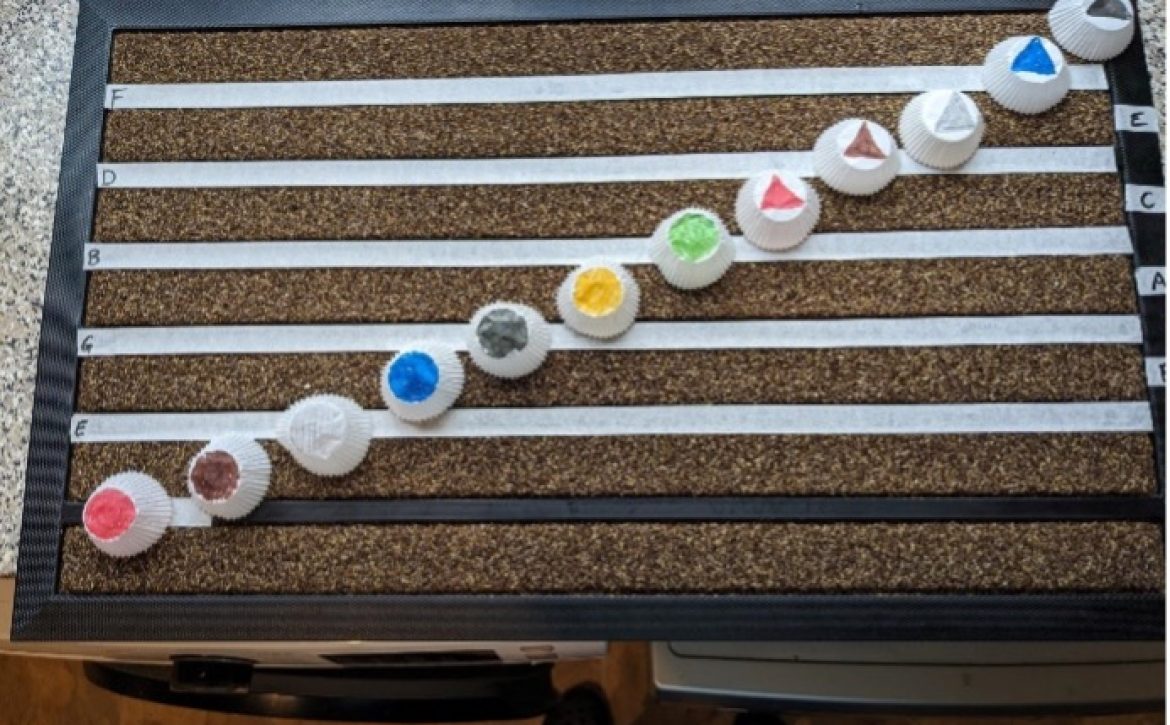
You can take it to stage 2 by creating a masking tape stave and placing the plates in the appropriate places. Turn this into a quiz or a composition exercise. To take it to stage 3, write the note names on the back of the plates. Place them in the correct positions with the coloured side up. Then get your pupils to name the note before turning the plate over to see if they were correct.
Let us know what other games you would play using these items in the Facebook group: Figurenotes – Let’s Make Music4. 100 Day Practice Challenge – All of my pupils love a challenge, when presented to them as such. If it is just a hard thing to do, then they aren’t playing ball, but as soon as it is a ‘challenge’, they are motivated to try. In order to build good habits and develop practice skills, we need to encourage pupils to practise consistently. The 100 Day Practice Challenge can be a great incentive to build those skills. You can do this in smaller chunks, should you or your pupils prefer, breaking it down to a week to start with and then develop from there. Some teachers create charts or use apps to record the practice sessions. Put landmarks within the timeline, such as gaining a sticker on your chart at 25 days. It is useful to have ideas for practice focus, as well as things to practise when you are away from your instrument. You could even make this competitive within your classroom or studio.
Use one of the Figurenotes 100 Day Challenge maps or create your own. Colour in each shape in a Figurenotes colour to show you have completed your practice for that day. Get a sticker from your teacher every time you reach a number ending in zero. There is a bundle of sheets on the Resource Base, including 2 types of chart and some practice ideas for when you are with and without an instrument – so holidays won’t get in the way of you achieving your goal! Take a look in the Worksheets section.Not a member of the Resource Base? Get unlimited downloads for a whole year for just £23.99. You also get a discount on our award-winning training days. The next Music Teacher’s Toolbox training is on Saturday 18th November, 2017. Book now!